
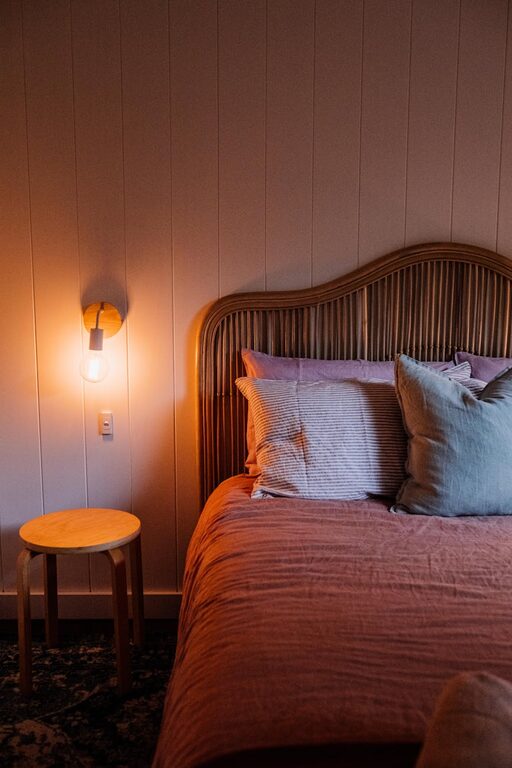
Creating a comfortable and inviting atmosphere in your home starts with choosing the right lighting. Good lighting not only illuminates your space but also influences your mood, productivity, and overall comfort. Whether you’re redecorating or setting up a new home, knowing how to select comfortable lighting can make a big difference. In this post, we’ll explore practical tips to help you choose home lighting that enhances your environment while being easy on the eyes.
Understanding the Basics of Home Lighting
Before diving into specific tips, it’s helpful to understand the three main types of lighting you’ll encounter:
1. Ambient Lighting
This is the general lighting that fills the room and provides overall illumination. Examples include ceiling fixtures, recessed lights, or wall-mounted lamps.
2. Task Lighting
Task lighting focuses on specific areas where you perform activities such as reading, cooking, or working. Desk lamps, under-cabinet lights, and swing-arm lamps are common examples.
3. Accent Lighting
Accent lighting highlights particular objects or architectural features, adding depth and drama to a room. Spotlights and LED strip lights are good choices here.
Balancing these three layers creates a comfortable and functional lighting environment.
Choose the Right Color Temperature
Color temperature refers to the hue of the light and is measured in Kelvins (K). Choosing the right color temperature has a big impact on comfort.
– Warm Light (2700K–3000K): Creates a cozy, relaxing atmosphere ideal for living rooms, bedrooms, and dining areas.
– Neutral White (3500K–4100K): Offers a clean and natural look, suitable for kitchens, bathrooms, and workspaces.
– Cool White (5000K+): Bright and energizing, great for task-oriented areas but can feel harsh if overused.
For comfortable home lighting, warm or neutral white tones are generally preferred to promote relaxation and reduce eye strain.
Opt for Adjustable Lighting
Having the ability to adjust your lighting enhances comfort and flexibility.
– Dimmers: Installing dimmer switches lets you control brightness levels based on the time of day and activity.
– Smart Bulbs: These allow you to easily change color temperature and brightness from your phone or voice assistant.
– Multiple Light Sources: Combining ceiling lights with floor and table lamps allows you to layer lighting and adjust the mood as needed.
Adjustable lighting is especially helpful in multi-use spaces like living rooms or home offices.
Consider the Bulb Type and Energy Efficiency
The type of bulb you select affects both comfort and your energy bills.
– LED Bulbs: Energy-efficient, long-lasting, and available in various color temperatures. They generate less heat, making them comfortable and practical.
– CFL Bulbs: More energy-efficient than traditional incandescent bulbs but contain small amounts of mercury and take time to warm up.
– Incandescent Bulbs: Provide warm, natural light but are less energy-efficient and have shorter lifespans.
LED bulbs are highly recommended for comfortable, efficient, and versatile home lighting.
Pay Attention to Light Distribution and Glare
Poorly distributed light or glare can cause discomfort and eyestrain. Keep these points in mind:
– Use lampshades and diffusers to soften harsh light.
– Position lights to avoid direct glare in your eyes, especially when working or reading.
– Consider fixtures with adjustable heads so you can direct light where needed.
– Avoid overly bright lights in small, enclosed spaces as they can feel overwhelming.
Soft, evenly distributed light creates a more comfortable and inviting atmosphere.
Match Lighting to Room Function and Style
Different rooms have different lighting needs:
– Living Room: Focus on warm ambient lighting combined with accent lighting for artwork or shelves.
– Bedroom: Soft, dimmable lighting that promotes relaxation; bedside lamps for reading.
– Kitchen: Bright task lighting over counters and sinks, plus ambient lighting for overall visibility.
– Bathroom: Bright, neutral white lighting around mirrors to help with grooming tasks.
– Home Office: Balanced, glare-free lighting that reduces fatigue during work sessions.
Also, choose lighting fixtures that complement your interior style, whether modern, rustic, or traditional.
Test Lighting Before Committing
When possible, try out lighting setups before making a final choice:
– Test bulbs in your fixtures and live with them for a few days.
– Observe how natural light interacts with artificial lighting at different times.
– Use temporary lamps to experiment with placement and color temperature.
This hands-on approach helps you find truly comfortable lighting tailored to your space.
Final Thoughts
Choosing comfortable home lighting takes a bit of planning but pays off with a warm, inviting, and practical living space. Focus on balancing ambient, task, and accent lighting, choosing the right color temperature, and using energy-efficient bulbs with adjustable settings. With these tips, you can make your home both beautiful and comfortable under any light.
—
If you’re ready to upgrade your home lighting, keep these tips in mind to create a cozy and well-lit environment you’ll enjoy every day!