
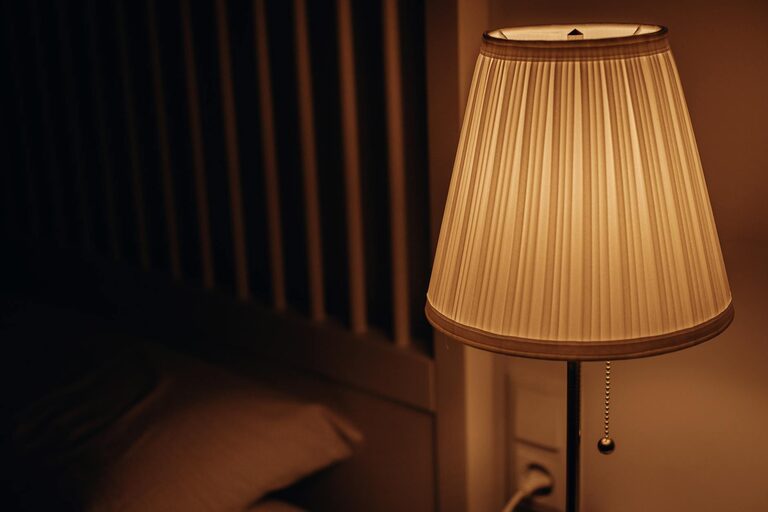
Creating comfortable home lighting is essential for a welcoming, cozy atmosphere and functional living spaces. Good lighting supports your daily activities, boosts mood, and can even affect how spacious a room feels. Whether you’re redesigning your entire home or updating a single room, understanding how to choose lighting that combines comfort and style will make a big difference.
In this post, we’ll walk through tips for picking the right lighting elements, types of bulbs, and placement strategies to help you enjoy a well-lit, comfortable home.
Why Comfortable Home Lighting Matters
Lighting isn’t just about visibility. The right lighting:
– Creates ambiance and sets the mood
– Reduces eye strain and fatigue
– Enhances the look of furniture and décor
– Helps define spaces within your home
Comfortable lighting adapts to your needs, whether you’re reading, working, relaxing, or entertaining.
Key Factors When Choosing Home Lighting
1. Consider the Room’s Purpose
Lighting needs vary by room:
– Living Rooms: Use layers of light—ambient, task, and accent—to create a balanced feel. Floor lamps, table lamps, and overhead lights work well together.
– Kitchens: Bright, focused task lighting is essential for cooking and food prep. Combine ceiling fixtures with under-cabinet lights.
– Bedrooms: Soften the ambience with warm lights. Dimmer switches and bedside lamps enhance relaxation.
– Bathrooms: Bright, clear lighting around mirrors helps with grooming tasks, while softer lights can create a spa-like atmosphere.
2. Choose the Right Bulb Type
Different bulbs offer varying warmth and intensity:
– LED Bulbs: Energy-efficient, long-lasting, and available in a range of color temperatures. Ideal for most areas.
– Incandescent Bulbs: Provide warm light but consume more electricity and have shorter lifespans.
– Fluorescent Bulbs: Efficient but can produce harsher light. Look for warm-toned options if choosing fluorescents.
– Smart Bulbs: Allow you to adjust brightness and color temperature via apps, offering flexibility in lighting moods.
3. Focus on Color Temperature
Measured in Kelvins (K), color temperature influences the mood:
– Warm Light (2700K–3000K): Cozy, relaxing, and best for living rooms and bedrooms.
– Neutral White (3500K–4100K): Balanced light for kitchens and bathrooms.
– Cool White (5000K–6500K): Bright, alert light ideal for workspaces or reading areas.
4. Utilize Layered Lighting
Combining different types of lighting makes spaces adaptable:
– Ambient Lighting: The main light source, such as ceiling fixtures or recessed lights.
– Task Lighting: Focused light where activities occur, like desk lamps or reading lights.
– Accent Lighting: Highlights décor features like artwork or plants with spotlights or wall sconces.
5. Use Dimmers and Controls
Dimmers allow you to adjust the brightness to suit different times or tasks, adding to comfort and saving energy. Smart controls can automate lighting schedules to match your daily routines.
Practical Tips for Comfortable Lighting in Each Room
Living Room
– Mix overhead lights with floor and table lamps.
– Use warm bulbs for a cozy atmosphere.
– Position lamps near seating for easy use.
– Consider wall sconces or LED strips for subtle accent lighting.
Kitchen
– Bright, shadow-free lighting is a must.
– Install under-cabinet lights for counter tasks.
– Use cool or neutral white bulbs for clarity.
– Consider pendant lights over islands or dining areas.
Bedroom
– Focus on creating a calm and restful environment.
– Use warm, soft light sources.
– Incorporate bedside lamps and overhead lights with dimmers.
– Avoid harsh fluorescent lighting.
Bathroom
– Place lights near or around mirrors to minimize shadows.
– Combine bright overhead lighting with softer accent lights.
– Use moisture-resistant fixtures for safety and durability.
Tips for Lighting Placement and Fixtures
– Avoid glare: Position lights so they don’t shine directly into eyes.
– Spread light evenly: Multiple light sources reduce harsh shadows.
– Consider fixture styles that complement your decor while providing functional light.
– Use reflective surfaces and light-colored walls to enhance illumination.
Energy Efficiency and Sustainability
Choosing energy-efficient lighting not only reduces your bills but also benefits the environment:
– Opt for LED bulbs whenever possible.
– Use timers and motion sensors to prevent wasted energy.
– Recycle old bulbs properly.
Conclusion
Comfortable home lighting balances form, function, and energy use. By considering the room’s needs, choosing the right bulb color and type, layering light sources, and adding dimmers or smart controls, you create inviting spaces that work well for all your activities. Thoughtful lighting design enhances the beauty of your home while ensuring a cozy and well-lit environment.
Take time to experiment with different setups and adjust according to your lifestyle and preferences. Your eyes and mood will thank you!
—
Feel free to share your favorite home lighting tips in the comments below!