
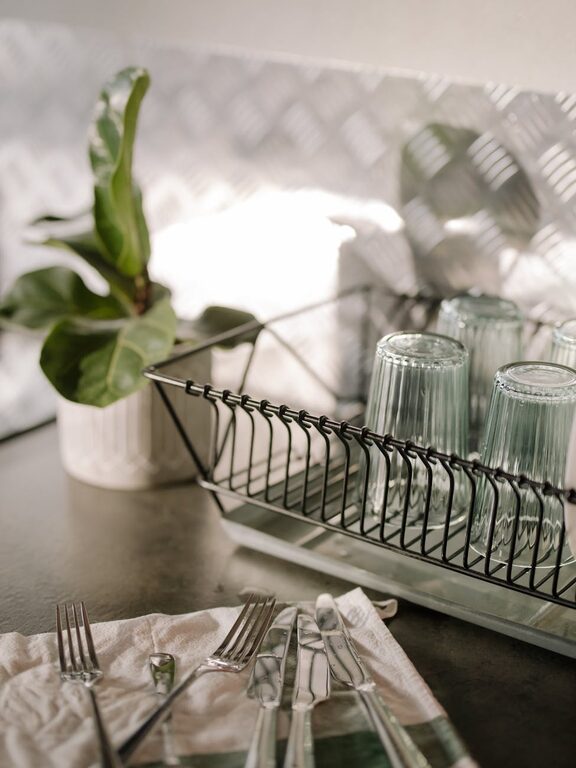
Making dinner is often the highlight of the day, but the cleanup afterward can feel like a daunting chore. Whether you’re cooking for family or just yourself, cleaning up efficiently can save time and reduce stress. In this post, we’ll explore simple, practical ideas to make dinner cleanup easier, so you can spend less time at the sink and more time relaxing.
1. Plan Ahead for Easy Cleanup
One of the best ways to minimize mess is to think about cleanup before you start cooking.
Prepare Your Workspace
Begin by clearing your countertops and sink area. Having a clean, organized space helps you manage utensils and ingredients without clutter. Place a bowl or compost container nearby for food scraps to reduce trips to the trash.
Use Fewer Utensils and Tools
Try to use multi-purpose kitchen tools and fewer dishes overall. For example, measuring ingredients directly into the mixing bowl instead of multiple cups can cut down on washing up.
2. Use Disposable or Minimal Cookware Strategically
While reusable cookware is environmentally friendly, certain disposable options can be handy for quick cleanup.
– Consider parchment paper or aluminum foil to line baking sheets. After cooking, simply toss the liner, leaving the pan cleaner.
– Use slow cooker liners if cooking casseroles or roasts to reduce scrubbing.
– Paper plates or plates made from compostable materials can be convenient for casual meals, though not recommended for everyday use.
3. Clean as You Go
One of the most effective cleanup strategies is to tackle messes during the cooking process.
Wash or Soak Items Immediately
Instead of waiting until after dinner, rinse or soak pots, pans, and utensils as soon as you are done with them. Soaking prevents food from sticking and makes washing easier.
Wipe Down Surfaces Frequently
Keep a clean cloth or sponge handy to wipe spills immediately. This prevents buildup and cutting down on deep cleaning later.
4. Organize Your Cleanup Routine
Having a set routine can speed up the process and make cleanup feel less overwhelming.
Clear the Table First
Start by clearing plates, utensils, and glasses from the table and placing them near the sink or dishwasher.
Load the Dishwasher Efficiently
If you have a dishwasher, arrange dishes and utensils neatly for optimal cleaning. For hand washing, stack similar items to clean systematically – glasses first, then plates, followed by pots and pans.
Dry and Put Away Immediately
If possible, dry dishes right after washing and put them away. This minimizes clutter and frees up counter space.
5. Use Efficient Cleaning Tools
Having the right tools makes a big difference in cleanup time.
– Invest in good-quality sponges and scrubbers that tackle grease and baked-on food.
– A spray bottle with a gentle all-purpose cleaner can help clean countertops quickly.
– Microfiber cloths are excellent for wiping surfaces without leaving streaks.
– Utilize a dish rack that drains efficiently to speed up drying.
6. Delegate and Share Tasks
If you dine with family or roommates, sharing the cleanup duties lightens the load.
– Assign specific tasks such as clearing the table, washing dishes, or drying.
– Make cleanup a group activity, turning it into a quick, cooperative effort.
– Encourage children to participate by handling simple tasks like putting away utensils or wiping surfaces.
7. Maintain a Clean Kitchen Daily
Regular maintenance prevents messes from piling up and makes dinner cleanup easier.
– Wipe countertops and stovetops daily.
– Empty the trash regularly to avoid odors and overflow.
– Keep sinks free of piles of dirty dishes.
8. Opt for One-Pot or One-Pan Meals
Simplify both cooking and cleanup by preparing meals that use just one pot or pan.
– Examples include stir-fries, sheet-pan dinners, and slow cooker recipes.
– Fewer dishes mean less scrubbing and quicker cleanup.
9. Store Leftovers Properly
Cleaning up can drag on if you’re unsure where to put leftovers.
– Use clear, stackable containers to organize leftovers quickly.
– Label containers with the date to keep track.
– Promptly store leftovers to clear counters and dining tables.
Conclusion
Dinner cleanup doesn’t have to be a dreaded chore. By planning ahead, cleaning as you go, using efficient tools, and sharing the work, you can make the process faster and easier. Incorporate these tips into your routine to enjoy a tidy kitchen without sacrificing your evening time.
Remember, a little effort during cooking and right after dinner can dramatically reduce the cleanup load. Try a few of these ideas and see how much smoother your post-dinner cleanup becomes!